Ulta Beauty Earnings Preview: Could the Share Price Face a Short-Term Pullback?
$538.48
04 Dec 2025, 17:50
Bullish

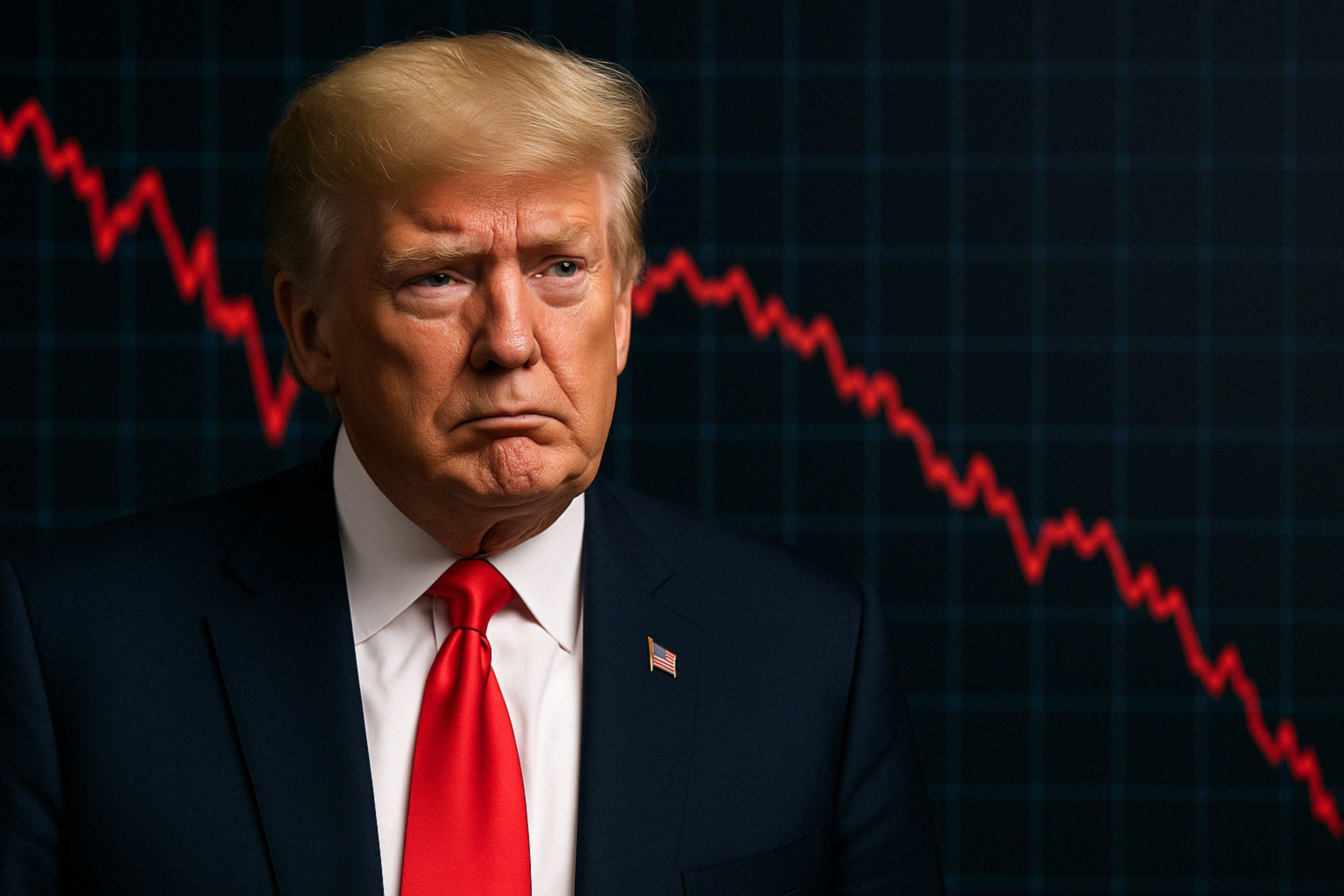
AI Image


Tariffs raise costs and confusion across US manufacturing, with investors feeling the pinch
Tariffs Spark Chaos in the Heart of US Manufacturing
The latest wave of tariffs imposed under Donald Trump’s "America First" agenda is causing major disruption across the United States, especially within the car manufacturing industry. Rather than protecting domestic businesses, the complex web of tariffs is driving up costs, creating administrative headaches, and pushing small firms to the brink.
Detroit Businesses Struggle with Rising Costs
In Michigan’s manufacturing heartland, suppliers like Team 1 Plastics and Lucerne International are grappling with confusing and ever-changing tariffs. These small- to medium-sized firms produce crucial parts for vehicles made by giants like General Motors, Ford and Chrysler (now Stellantis). They rely on imported materials like steel and aluminium – and that’s where the problems begin.
Supply Chains Are Deeply Integrated – and Exposed
The US no longer has a robust domestic die and mould sector, meaning American firms have little choice but to source essential tools from overseas. Even when sourcing from Canada or Mexico – supposedly tariff-free under trade agreements – many components still incur charges due to their raw material origins or minor assembly processes abroad.
Parts often criss-cross the US–Canada border up to eight times during manufacturing. That complexity makes even defining where a car is “made” nearly impossible.
SMEs Under Pressure
For small businesses, the biggest issue isn’t just the tariffs themselves – it’s the uncertainty. With inconsistent enforcement and ambiguous classifications, companies are left guessing how much they’ll actually pay.
Mary Buchzeiger, CEO of Lucerne International, says, “I have a PhD in tariffs now, it’s crazy.” Her firm is now as much about warehousing and tariff compliance as it is about producing car parts.
Long-Term Goals, Short-Term Pain
The Trump administration argues that tariffs will ultimately re-shore manufacturing jobs and rebuild American industry. But experts agree this won’t happen overnight.
Impact on Investors and Stock Markets
Rising production costs are already eating into profit margins. Although automakers have resisted raising vehicle prices so far, this cannot last indefinitely.
This mirrors past trade war effects, such as during the 2018–2019 US–China standoff, when tech and industrial stocks suffered sharp losses due to similar concerns over input costs and regulatory uncertainty.
Global Implications
The ripple effects are not confined to the US:
Conclusion: A Pricey Gamble for Trump – and Investors
Donald Trump’s trade war may aim to bring back American manufacturing, but for now, it’s hurting the very companies it was supposed to help. Tariffs have increased costs, added bureaucracy, and triggered confusion across the supply chain.
Investors would be wise to monitor:
In short, while the policy may have long-term ambitions, its short-term fallout is undeniable – and markets are taking note.
Sources: (SKY.com, BBC.co.uk)

Tradable assets:
Min.Deposit:
Max Leverage:
FCA:

Rating: