AbbVie (ABBV) Stock Analysis: Humira Decline, New Drug Growth, and Technical Consolidation
$228.47
06 Mar 2026, 17:58
Neutral


Join Minipip Academy and access free courses in investing, trading, economics, and more.
Sign Up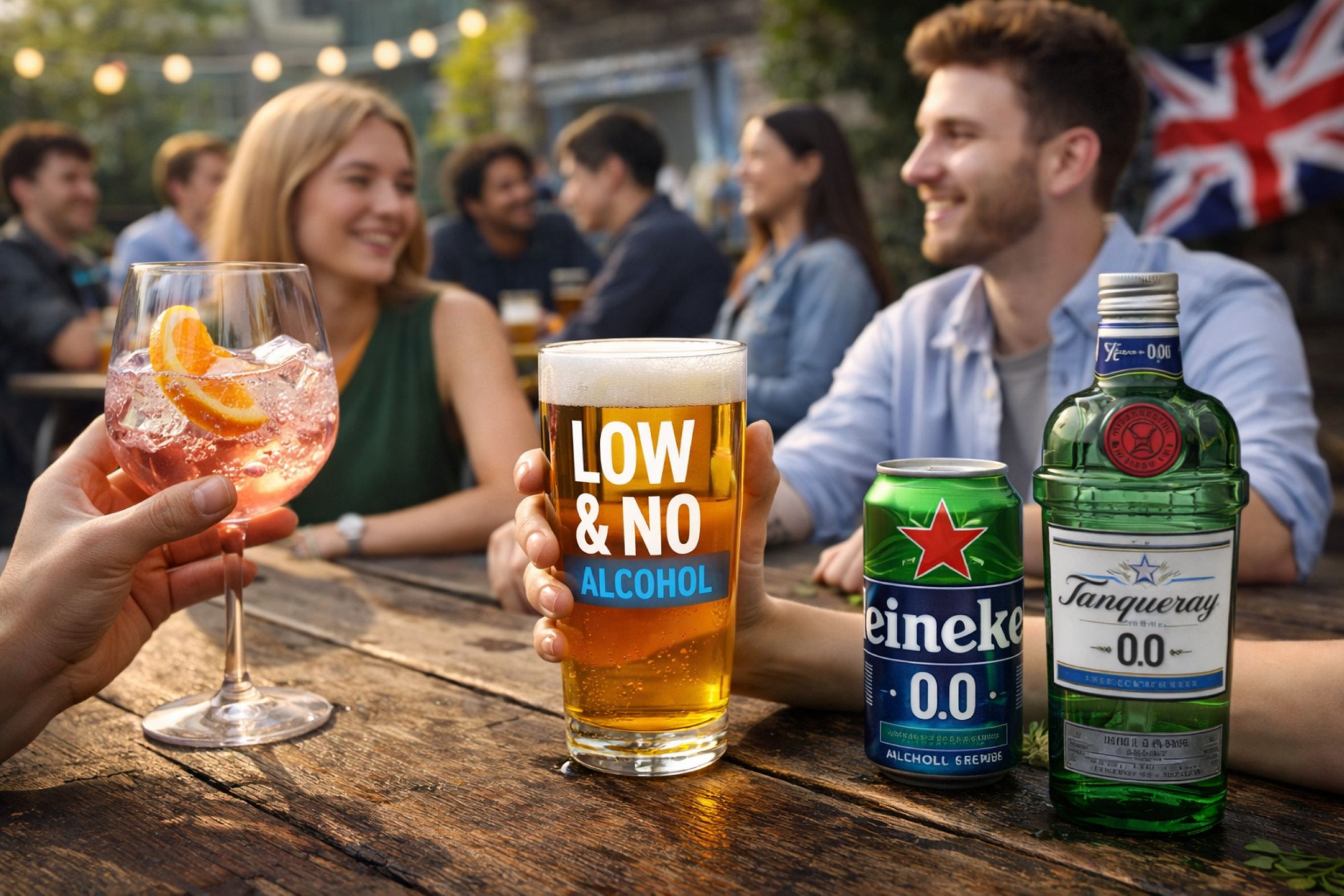
AI Generated


Changing consumer habits and the rapid growth of low- and no-alcohol beverages could reshape the UK drinks industry
Britain’s relationship with alcohol appears to be changing rapidly, as younger consumers increasingly turn to alcohol-free or low-alcohol alternatives. The surge in demand for these products is forcing drinks companies to rethink their strategies and could create new investment opportunities across the beverage sector.
Over the past decade, the range of alcohol-free drinks has expanded dramatically. What was once a niche market dominated by a few products has evolved into a fast-growing industry supported by innovation from both global brewers and specialist start-ups.
Demand for Alcohol-Free Drinks Is Rising Fast
The shift in drinking habits is supported by strong consumer data.
Key trends include:
Public health surveys show a rising number of people abstaining from alcohol entirely, particularly among younger men.
Health awareness, lifestyle choices and cost-of-living pressures are all contributing to the trend.
Why Consumers Are Cutting Back on Alcohol
Several factors are driving the move towards moderation.
Important influences include:
Pricing differences also make non-alcoholic alternatives attractive. For example, alcohol-free beer can often be several pounds cheaper than traditional equivalents in supermarkets.
The growing variety of alcohol-free beverages also means consumers now have more choices beyond traditional soft drinks.
A Fast-Growing Market Worth Hundreds of Millions
The UK low- and no-alcohol drinks market is now valued at approximately £413 million, according to research from Mintel.
More than 53% of UK adults have tried alcohol-free beer, wine, spirits or cocktails in the past year, and analysts expect demand to continue rising through the rest of the decade.
Retail sales of alcohol-free beverages have already grown around 23% over the past two years, and many industry experts believe the market could double or even triple in size over time.
However, competition is intensifying as more brands enter the space.
What This Means for Drinks Companies and Share Prices
The trend towards alcohol moderation is forcing major beverage companies to adapt.
Several leading listed drinks companies are positioning themselves to benefit:
For investors, these developments may influence share valuations in different ways:
The alcohol-free trend is unlikely to eliminate alcohol consumption entirely, but it could reshape the industry by shifting demand toward new product categories.
Outlook for the Drinks Industry
While Britain is not abandoning alcohol altogether, consumer behaviour is clearly evolving. Younger generations are drinking less frequently and are more willing to choose alcohol-free alternatives when socialising.
For beverage companies and investors, the key challenge will be adapting to this shift while maintaining profitability.
If the low- and no-alcohol category continues expanding as predicted, it could become one of the most important growth drivers for the global drinks industry over the next decade.
Sources: (SKYMoney.com, Reuters.com)

Tradable assets:
Min.Deposit:
Max Leverage:
FCA:

Rating:


 Earnings Calendar
  Economic Calendar
  VAT Calculator
  Tax Free Childcare Calculator
 Percentage Calculator
 Compound Interest Calculator
  Loan Overpayment Calculator
 Mortgage Calculator
 Credit Card Calculator
 Investing
  Economics
 Trading
  Technical Analysis
  Personal Finance
 Calculator